Agriculture News

agriculture news )7

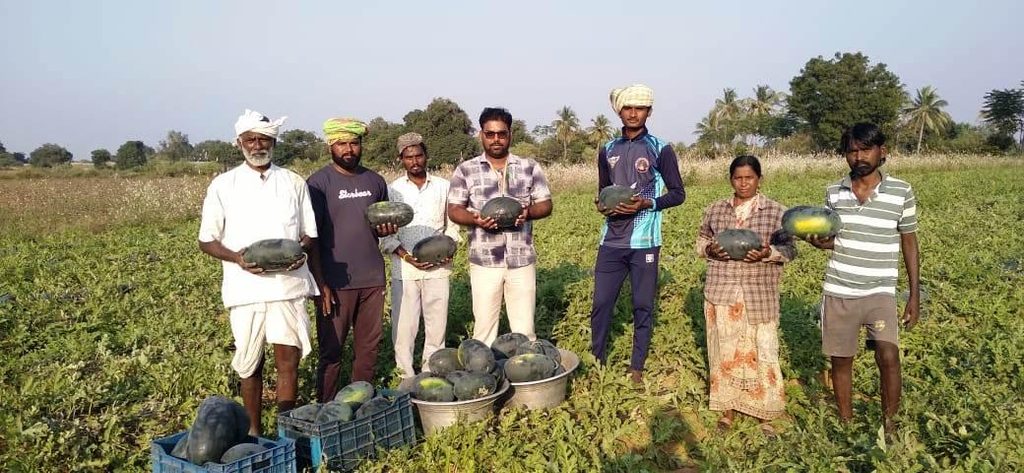
Yadgir Farmers Gain Access to More Crop-Specific Producer Organisations

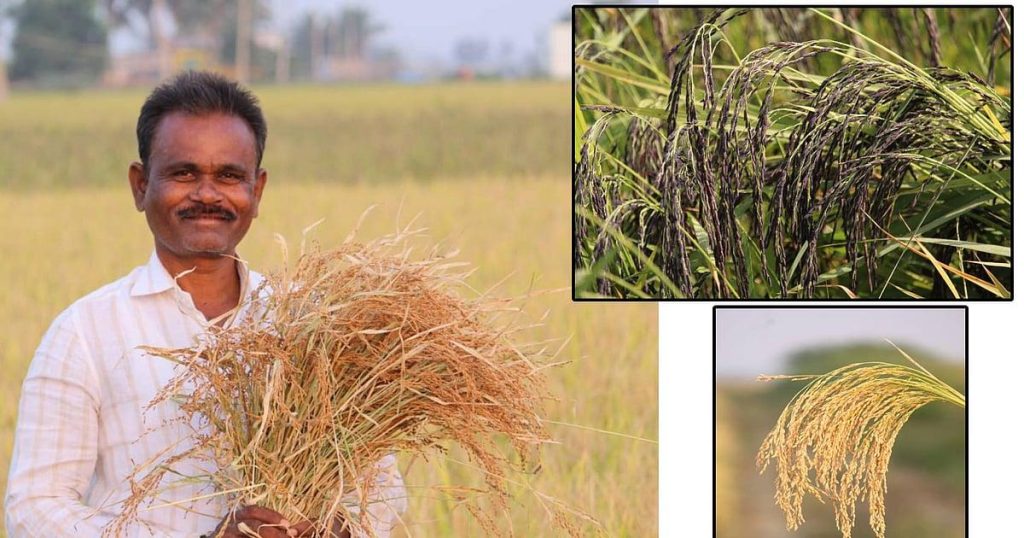
Farmer Producer Organisations Offer New Route for Collective Marketing in Yadgir Farmer Producer Organisations are becoming an increasingly important part of Yadgir’s agricultural ecosystem, providing farmers with a collective platform for production, aggregation and marketing. Government and agricultural-sector directories list several producer organisations operating across Yadgir’s taluks. These include organisations associated with paddy, red gram, groundnut, green gram, cotton, chilli and other agricultural and horticultural commodities. The presence of crop-specific producer organisations is important because individual small farmers can face difficulties when purchasing inputs or selling produce. Working collectively can provide opportunities to aggregate quantities and negotiate with buyers. FPOs can also support activities such as grading, packaging, processing, transportation and market linkage. Different Taluks, Different Crop Strengths Yadgir’s agricultural production varies across its taluks. Government records identify producer organisations in areas such as Yadgir, Shorapur and Shahapur, with different groups focusing on different crops. This creates the possibility of developing local agricultural value chains based on the crops most suited to each area. For example, a producer organisation working with pulses can concentrate on aggregation and grading, while a horticulture-oriented organisation may focus on vegetables, fruits and post-harvest handling. A Collective Approach to Farming The FPO model is particularly relevant for small and marginal farmers because collective action can help overcome some of the limitations of small-scale production. However, successful FPOs require good management, transparent financial practices, reliable buyers and consistent participation from members. As Yadgir continues to develop its agricultural economy, stronger producer organisations could help farmers move from simply producing crops to participating more actively in the agricultural value chain. Key Highlights

Yadgir Farmers Gain Access to More Crop-Specific Producer Organisations Read More »
agriculture news 06

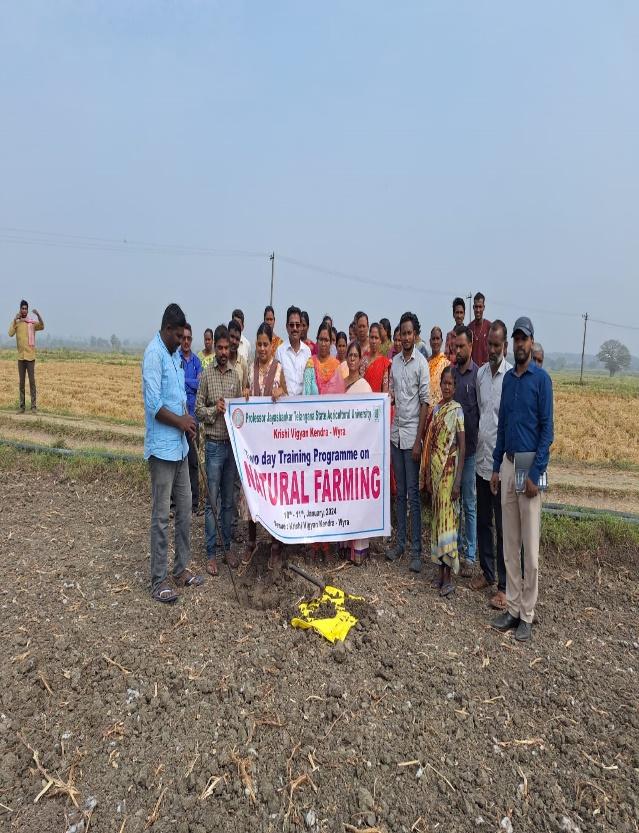
Natural and Sustainable Farming Training Gains Attention

Sustainable Farming Training Encourages Yadgir Farmers to Explore Alternative Practices Agricultural training initiatives in Yadgir are encouraging farmers to explore sustainable and resource-efficient approaches to cultivation. Training programmes focusing on sustainable agriculture can introduce farmers to techniques involving soil management, seed treatment, efficient use of farm inputs, water conservation and biological or organic approaches. For farmers in semi-arid regions, such practices can be particularly relevant because agriculture is often exposed to fluctuations in rainfall, input costs and soil moisture. Reducing Dependence on Costly Inputs One objective of sustainable farming is to make better use of locally available resources while avoiding unnecessary expenditure on agricultural inputs. Organic manures, crop residues, biological inputs and improved soil-management techniques can form part of an integrated farming approach. However, farmers need crop-specific technical advice before changing established practices. Training is therefore important because sustainable agriculture is not simply about replacing one input with another. Farmers need to understand soil conditions, crop requirements, pest management and local water availability. Importance for Yadgir The district’s agricultural landscape includes both rainfed and irrigated farming. This makes efficient resource management particularly important. Training programmes can also help younger members of farming families understand modern agricultural practices and encourage them to view agriculture as a technology-driven enterprise. Recent Yadgir-related agricultural initiatives and farmer-training activities have increasingly focused on scientific and sustainable approaches, including soil health and balanced nutrient management. The long-term success of such programmes will depend on whether farmers can apply the techniques successfully in their own fields and whether the practices produce measurable economic benefits. Key Highlights

Natural and Sustainable Farming Training Gains Attention Read More »

agriculture news 05

Women-Led Farmer Organisations Strengthen Rural Enterprise

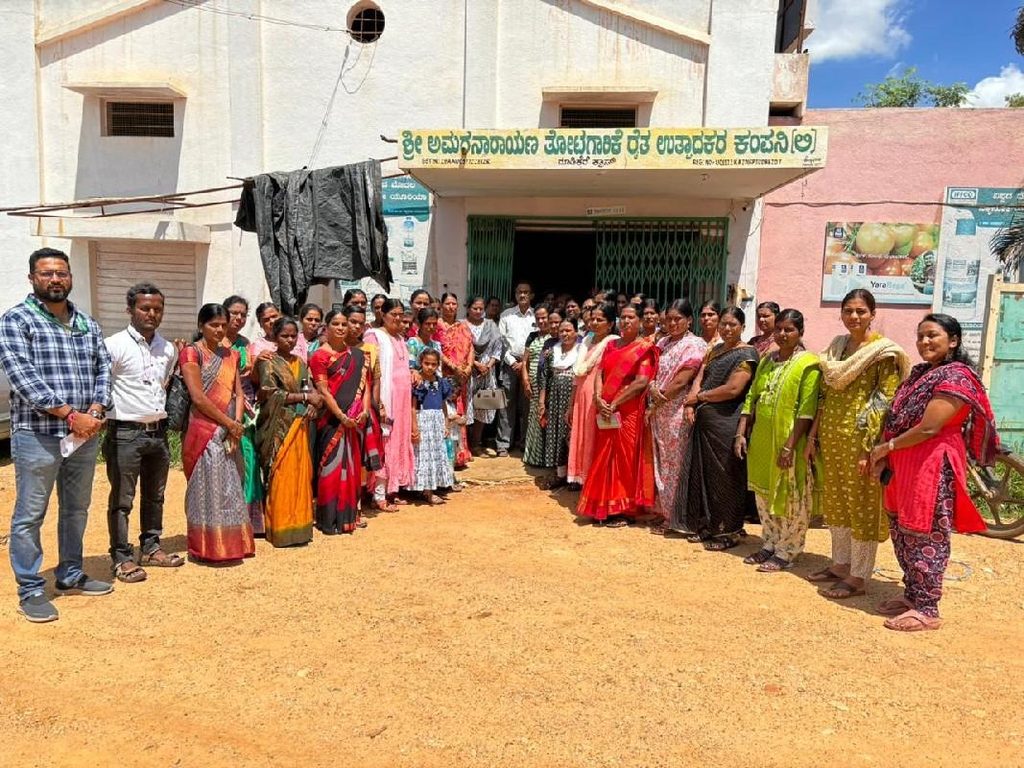
Women Farmer Organisations Gain Greater Role in Yadgir’s Agricultural Economy Women farmers and Farmer Producer Organisations are gaining greater attention in Yadgir as efforts to strengthen rural enterprises move beyond traditional crop production. A Farmers’ Training and Common Facility Centre was inaugurated at Badepalli village in Yadgir district in June 2026. The facility is associated with a women-led Farmer Producer Company and is designed to bring together training, processing and marketing activities. The project is notable because the Farmer Producer Company managing the facility includes 727 women members, making it an important example of women-led agricultural enterprise in the region. Farmer Producer Organisations can help small farmers work collectively rather than individually. Members can potentially aggregate produce, improve bargaining power, access training and explore better marketing channels. From Farming to Enterprise The modern agricultural economy increasingly involves activities beyond cultivation. Processing, packaging, branding and market access can all influence the final value received by farmers. A common facility centre can provide a shared platform for such activities and reduce the need for every individual farmer to invest in separate infrastructure. The Yadgir initiative also demonstrates the potential role of women in building agricultural enterprises. Women farmers are often heavily involved in cultivation and post-harvest activities, but organised producer companies can give them greater participation in commercial decision-making. Potential for Rural Employment Agricultural processing can also generate employment outside the main cultivation season. Activities such as grading, packaging, processing and marketing require local labour and skills. The initiative therefore has significance beyond the participating farmers and could contribute to the development of rural enterprise in the district. For Yadgir, strengthening FPOs and common facilities could become an important pathway for connecting farmers with larger markets. Key Highlights

Women-Led Farmer Organisations Strengthen Rural Enterprise Read More »

agriculture news 004

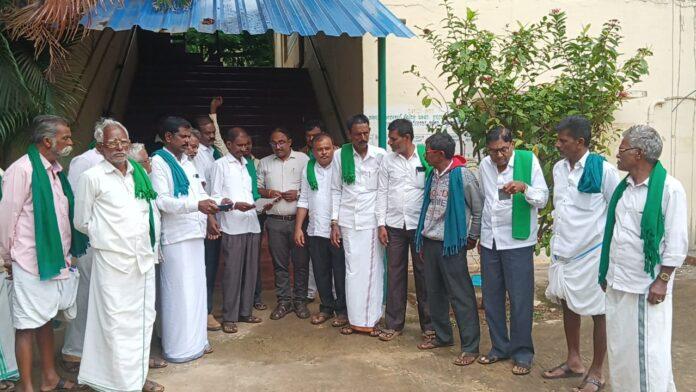
Khet Bachao Campaign Reaches Gunjunur

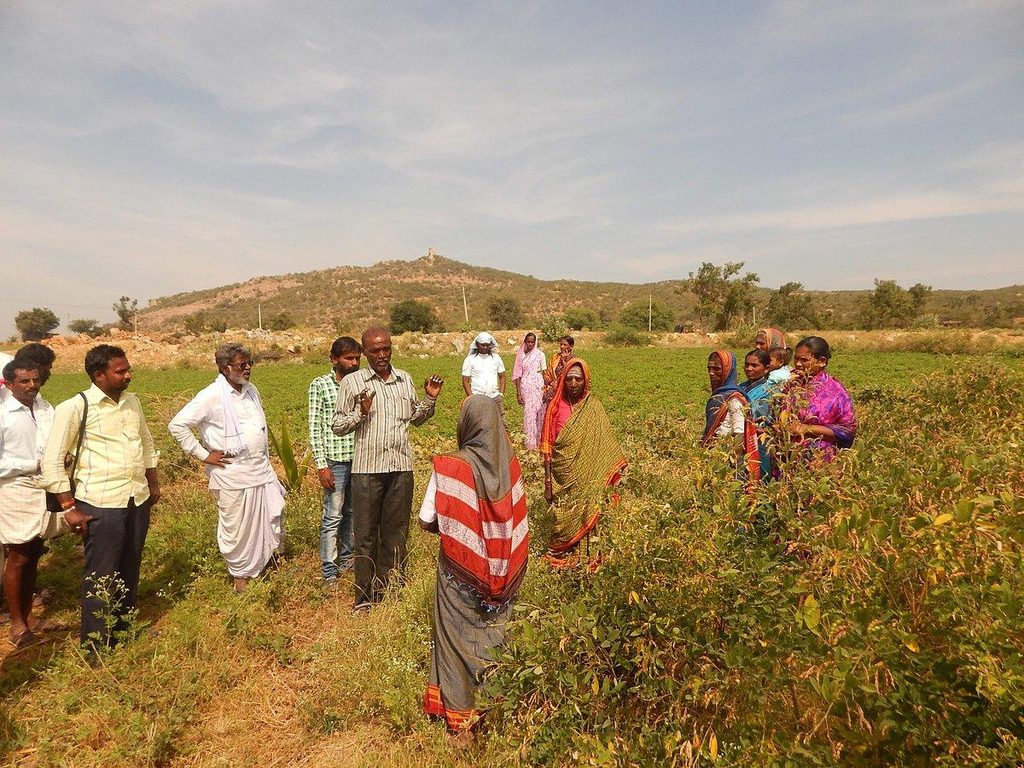
Khet Bachao Abhiyan Promotes Balanced Fertilizer Use Among Yadgir Farmers Farmers in Gunjunur village of Yadgir district participated in a Khet Bachao Abhiyan programme focused on soil health, balanced fertilizer use and sustainable agricultural practices. The programme was conducted with participation from the ICAR-Indian Institute of Oilseeds Research (ICAR-IIOR) and KVK Yadgir. The initiative aimed to increase farmers’ awareness about the importance of balanced nutrient management and scientific farming practices. Agricultural experts emphasised that fertilizer application should be based on crop requirements and soil conditions rather than excessive use of a single nutrient. Balanced fertilisation can help farmers manage input costs while supporting healthy crop growth. Excessive or unbalanced application of nutrients can affect soil quality and may not necessarily result in higher productivity. Focus on Soil Health Soil health is one of the foundations of sustainable agriculture. Farmers need healthy soil to maintain productivity across multiple cropping seasons. The programme also highlighted the relationship between soil management and long-term farm sustainability. Practices such as appropriate nutrient management and the use of organic inputs can contribute to maintaining soil structure and fertility. For a district where a large portion of agriculture remains dependent on rainfall, maintaining soil health can also support better moisture retention and crop resilience. Scientific Farming in Rural Areas Farmer-awareness programmes provide an opportunity for agricultural scientists and extension workers to communicate directly with cultivators. Such field-level interaction can be especially useful because farmers can discuss their crop problems and receive advice suited to local conditions. The Gunjunur programme therefore represents a broader effort to encourage evidence-based farming practices in Yadgir. Key Highlights

Khet Bachao Campaign Reaches Gunjunur Read More »

agriculture news 03

Paddy Farmers Face ₹1.93 Crore Payment Crisis

Around 40 Yadgir Farmers Left Waiting for ₹1.93 Crore After Paddy Sale Around 40 paddy farmers from Baichbal, Karadkal and Kudalagi villages in Hunasagi taluk faced financial distress after a merchant allegedly failed to pay them for paddy purchased from their farms. According to a report published in February 2026, the merchant had purchased 12,921 packets of paddy valued at approximately ₹1.93 crore from farmers and allegedly failed to make the promised payments. The paddy was reportedly transported in around 35 lorries. The farmers said they had trusted the merchant because he had reportedly purchased their produce in previous years and made payments on time. This history of business reportedly encouraged farmers to sell their latest harvest to him. However, after purchasing the paddy, the merchant allegedly became unavailable. Farmers reportedly waited for the promised payments and eventually approached authorities after failing to locate him. An FIR was reportedly registered on February 2, and farmers later met the Additional Superintendent of Police in Yadgir to submit their concerns. Kemmbhavi police began investigating the case. Farmer-Market Risk The incident highlights one of the major challenges faced by agricultural communities: producing a crop is only one part of the farming process. Farmers must also receive reliable payment after selling their produce. When payments are delayed or withheld, farmers can struggle to repay crop loans, pay labourers, purchase inputs for the next season and meet household expenses. The case also demonstrates why farmers should maintain written records, invoices, weighing details and payment documentation when selling large quantities of agricultural produce. Need for Reliable Market Systems Farmer-producer organisations, regulated markets and transparent digital payment systems can help reduce some of the risks associated with informal transactions. The investigation into the Yadgir case is expected to determine the facts and responsibility. Allegations against the merchant remain subject to the legal process. For local farmers, the incident serves as a reminder of the importance of verifying buyers and maintaining complete transaction records. Key Highlights

Paddy Farmers Face ₹1.93 Crore Payment Crisis Read More »

agriculture news 02

Agriculture Department Tightens Watch on Seed and Fertilizer Quality

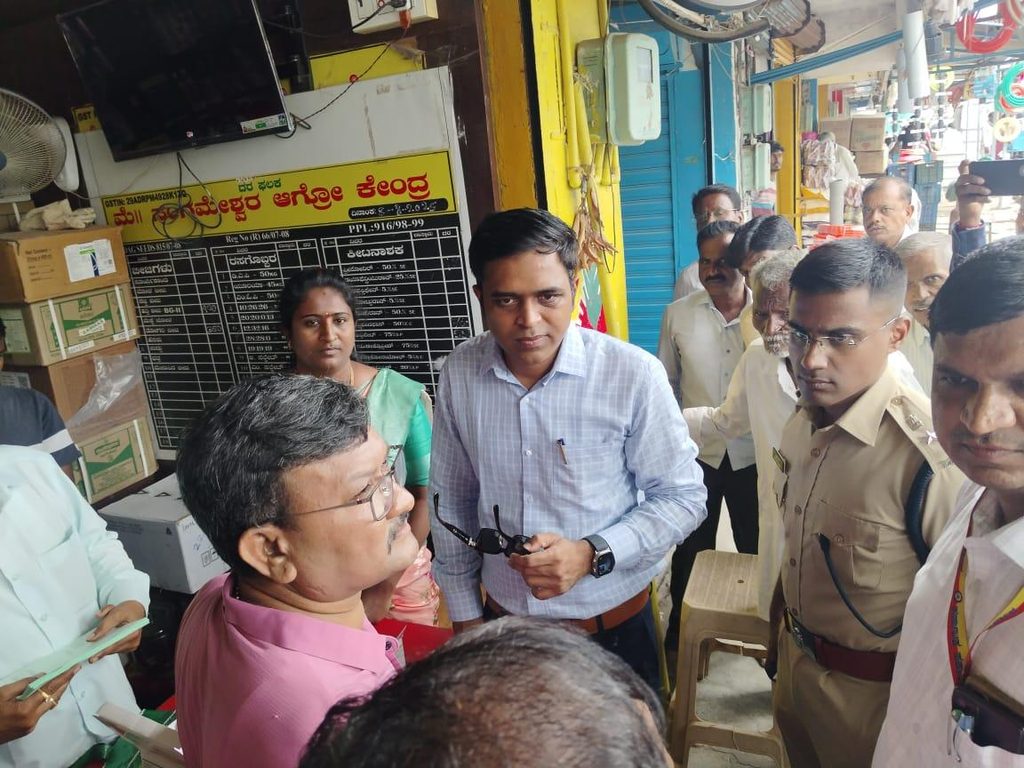
Yadgir Agriculture Officials Told to Monitor Quality of Seeds and Fertilizers The Yadgir Agriculture Department has stepped up attention toward the quality of agricultural inputs, with officials instructed to keep a close watch on the sale of poor-quality seeds and fertilizers to farmers. The instruction was issued during an agriculture-related meeting and was highlighted by the Yadgir district administration in June. The focus is particularly important during the sowing season, when farmers depend heavily on private dealers and authorised agricultural-input outlets for seeds, fertilisers and other materials. For farmers, the quality of seed is directly connected with crop establishment and eventual productivity. If unsuitable or poor-quality seed is used, farmers can suffer losses not only from reduced yields but also from the cost of land preparation, labour, fertilisers and irrigation. Fertilizer quality is equally important. Incorrect nutrient application can affect crop growth and may increase cultivation costs. Why Input Quality Matters Farmers generally make significant investments before seeing any return from their crops. A problem with seed or fertilizer can therefore affect an entire season’s income. Monitoring agricultural input dealers can help protect farmers from products that do not meet prescribed standards. Regular inspections, proper billing and awareness about authorised dealers are important parts of this process. Agriculture officials can also help farmers understand how to identify approved products and use inputs according to crop requirements. Need for Farmer Awareness Farmers are encouraged to retain purchase bills, packaging and batch information whenever they buy agricultural inputs. Such records can be useful if a farmer later needs to report a quality-related problem. The district administration’s focus on input quality comes at an important time because sowing-season decisions can have consequences for farmers throughout the crop cycle. For Yadgir’s agricultural economy, ensuring access to reliable inputs is an important part of protecting farm incomes and improving productivity. Key Highlights

Agriculture Department Tightens Watch on Seed and Fertilizer Quality Read More »

agriculture news 01

Horticulture Department Opens Applications for 2026–27 Assistance

Yadgir Farmers Can Apply for National Horticulture Mission Benefits for 2026–27 The Horticulture Department of Yadgir has invited applications from farmers for various components under the National Horticulture Mission for the financial year 2026–27, opening opportunities for farmers interested in horticultural development and farm diversification. The official Yadgir district administration published the notification on 8 July 2026. Applications and guidelines have been made available for farmers from different parts of the district, including Yadgir, Shahapur and Shorapur. The programme covers several horticulture-related components designed to improve farm productivity, water management, post-harvest handling and protection of crops. According to the district’s published guidelines, the components include area expansion, vermicompost units, farm ponds, anti-bird nets, onion storage structures, pack houses, weed mats, mechanisation and mushroom-related activities. For farmers, such assistance can be particularly useful when moving from conventional field crops toward horticultural and allied activities. Horticultural crops can provide opportunities for crop diversification and, depending on market conditions, potentially improve returns from smaller holdings. Support Beyond Crop Cultivation One of the important aspects of the scheme is that support is not limited to crop production alone. Post-harvest infrastructure such as pack houses and storage facilities can help farmers handle produce after harvesting. Storage can be especially important for crops whose market prices fluctuate during the season. Similarly, farm ponds and other water-management components can support farmers in managing moisture availability. The inclusion of mushroom cultivation also provides an alternative agricultural enterprise that can potentially be undertaken on a smaller scale compared with conventional field cultivation. Opportunity for Farmers Farmers interested in the scheme should carefully check the official component-wise guidelines, eligibility conditions and application procedure before applying. The district administration has made the scheme information available through its official website, with separate application links for Yadgir, Shahapur and Shorapur. Key Highlights

Horticulture Department Opens Applications for 2026–27 Assistance Read More »

Listings
News
Home
Jobs
Contact